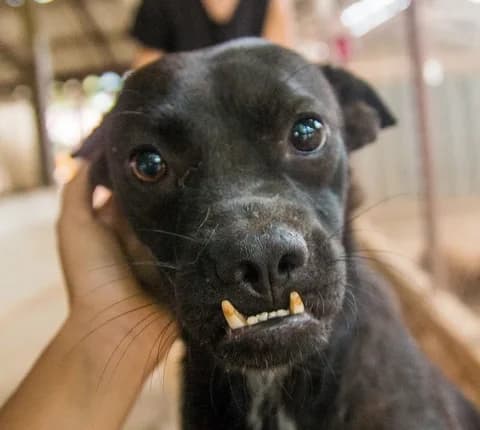
Dog not eating — normal or serious?
Discover the most common causes and find out when it's urgent.
A healthy dog skipping one meal is usually nothing to worry about — dogs are not always as food-driven as cartoons suggest, and a missed breakfast after a big dinner or a hot day is common. But when a dog refuses food for more than 24 to 48 hours, eats noticeably less for several days, or stops eating alongside other symptoms, something meaningful is going on. Loss of appetite (anorexia) can signal anything from stress and picky eating to dental pain, pancreatitis, or life-threatening illness in puppies. This guide helps you decide how urgent the situation is, understand the most common causes, know what to try safely at home, and recognize when only a veterinarian can help.

⏱️ How long is too long without food?
Duration matters as much as the fact that your dog is not eating. Adult dogs can often tolerate a short fast better than puppies or very small breeds, but prolonged refusal always deserves attention.
Use the timelines below as general guidelines — when in doubt, call your vet. It is always better to call early and learn the situation is mild than to wait until dehydration or organ stress has developed.
- •Skipping one meal: usually fine in an otherwise bright, active adult dog — monitor closely
- •24 hours with no food (healthy adult): watch closely; call vet if any other symptoms or if refusal continues
- •48 hours with no food: contact your veterinarian — investigation is needed
- •Puppy not eating for 12 hours: call vet immediately — hypoglycemia (low blood sugar) is dangerous
- •Senior dog not eating for 24 hours: call vet — higher risk of serious underlying disease
- •Any dog not eating AND vomiting, lethargy, or pain: treat as urgent regardless of duration
🔍 Most common causes of loss of appetite
Appetite is controlled by smell, taste, stomach comfort, overall health, and emotional state. When a dog stops eating, veterinarians think in three broad categories: behavioural or environmental, medical, and psychological. Many cases involve more than one factor — for example, dental pain plus anxiety after a move.
Behavioural and environmental causes
These are among the most common reasons an otherwise healthy dog skips meals. They are often reversible once the trigger is identified.
- • Stress from a new home, new pet, construction, fireworks, or owner absence
- • Change in routine, feeding location, or household members
- • Dislikes the food — formula change, stale kibble, or bowl placement
- • Too many treats or table scraps — dog is simply not hungry at mealtime
- • Competition or intimidation from another pet at the food bowl
- • Hot weather — some dogs eat less in summer
- • Recent vaccination — mild reduced appetite for 24 hours can be normal
Medical causes
Medical anorexia often comes with other clues: bad breath, drooling, vomiting, weight loss, or lethargy. Pain anywhere in the body can suppress appetite — not only mouth pain.
- • Dental disease, fractured tooth, or oral infection
- • Nausea from gastritis, dietary indiscretion, or pancreatitis
- • Intestinal obstruction from swallowed foreign material
- • Kidney disease, liver disease, or heart failure
- • Parvovirus in unvaccinated puppies — emergency
- • Pain from arthritis, injury, or abdominal conditions
- • Medication side effects (antibiotics, NSAIDs, chemotherapy)
- • Cancer and other chronic systemic illness
- • Fever from any infection
Psychological causes
Dogs experience stress and grief. Appetite often returns when environment and predictability improve, but prolonged refusal still needs a vet check to rule out physical disease.
- • Separation anxiety when left alone or after schedule changes
- • Depression-like behaviour after loss of an owner or companion animal
- • Trauma or fear associated with feeding area or past abuse
🚨 When to go to the vet immediately
Some combinations of signs indicate an emergency. Do not try home remedies first — go to your vet or emergency clinic.
- •Not eating AND repeated vomiting or diarrhoea
- •Not eating AND marked lethargy, weakness, or collapse
- •Not eating AND distended, painful, or hard abdomen — bloat risk
- •Puppy not eating for 12+ hours or becoming weak or wobbly
- •Dog may have eaten something toxic, foreign, or spoiled recently
- •Any clear sign of pain (whining, hunched posture, reluctance to move)
- •Yellow gums, pale gums, or known liver or kidney disease
- •Weight loss you can see or feel over days to weeks
✅ Things to try at home (if no emergency signs)
Only use these strategies when your dog is otherwise bright, drinking normally, and has been refusing food for less than 24 hours without vomiting or abdominal pain. If there is no improvement within 24 hours, call your vet.
Never force-feed without veterinary guidance. Never starve a puppy, diabetic dog, or dog on prescription medication without speaking to your vet. Appetite stimulants exist but are prescribed only after diagnosis.
- Offer a different food — sometimes a fresh batch of the usual diet, a wet version of the same brand, or a small amount of plain boiled chicken (no seasoning) tempts a picky eater. Slightly warming wet food releases aroma.
- Hand-feed small amounts in a quiet room away from other pets. Stress and competition are common hidden causes.
- Remove treats and table scraps completely for 24–48 hours so hunger can return. Many "not eating" dogs are simply full.
- Check the mouth gently for red gums, broken teeth, swelling, or foul odour — if you find anything abnormal, book a vet appointment rather than continuing home trials.
- Rule out stress triggers: new visitors, loud noises, changed walk times. Restore predictable routine.
- Skip one scheduled meal entirely (with vet approval for puppies, seniors, or diabetic dogs) — a healthy adult may eat enthusiastically at the next meal.
- Add a small amount of low-sodium chicken broth to dry food — avoid onion or garlic in ingredients.
📋 Specific situations
Puppy not eating
Puppies have small energy reserves and can develop hypoglycemia quickly when they do not eat. A puppy that refuses food for more than a few meals, becomes lethargic, or has vomiting or diarrhoea needs veterinary attention within hours, not days.
Common causes include stress from leaving the litter, intestinal parasites, infection, or parvovirus in unvaccinated pups. Parvo is life-threatening — bloody diarrhoea, vomiting, and lethargy are emergency signs. Always keep vaccinations on schedule and avoid high-risk areas until the series is complete.
Senior dog not eating
Older dogs commonly stop eating due to dental disease, chronic kidney disease, cancer, cognitive dysfunction, or arthritis pain that makes standing at the bowl uncomfortable. Senior dogs dehydrate faster and lose muscle mass quickly when anorexia persists.
Contact your vet within 24 hours of noticeable appetite loss in a senior dog, even without other symptoms. Blood work and a thorough mouth examination often reveal treatable causes.
Dog not eating after surgery
Reduced appetite for 12 to 24 hours after anaesthesia and surgery is common. Nausea, grogginess, and unfamiliar medications all play a role. Offer small, bland meals if your vet approves.
If your dog has not eaten for more than 24 hours after surgery, or is vomiting, contact the surgical clinic. Prolonged post-operative anorexia can delay healing and may indicate complications or pain inadequately controlled.
Dog not eating but drinking water
Drinking while refusing solid food suggests nausea, mouth pain, or systemic illness rather than simple pickiness. Kidney disease, diabetes, liver disease, and stomach upset can all present this way.
Monitor urine output and energy level. Increased drinking with decreased eating warrants blood work. Do not assume water intake alone is enough long term — dogs need nutrients and can still become depleted.
Dog not eating and vomiting
This combination should be treated as potentially serious until a vet says otherwise. Causes include dietary indiscretion, pancreatitis, obstruction, poisoning, and infection.
Withhold food only if your vet advises it for a short period; puppies should not be fasted without professional guidance. Seek same-day veterinary care, especially if vomiting is repeated or contains blood.
❓ Frequently asked questions
How long can a dog go without eating?
Most healthy adult dogs can go 3 to 5 days without food before serious health consequences develop, but this does not mean you should wait that long. A dog not eating for more than 48 hours needs a veterinary examination. Puppies should be seen within 12 hours of refusing food due to hypoglycemia risk.
Why is my dog not eating but acting normal?
A dog that refuses food but remains playful, bright, and active is usually experiencing a behavioural or mild cause — stress, food boredom, too many treats, or a recent vaccination. Monitor closely for 24 hours. If refusal continues or any other symptoms develop, contact your vet.
What can I feed a dog that won't eat?
Try plain boiled chicken breast with white rice (no seasoning), slightly warmed wet dog food, or low-sodium chicken broth added to kibble. Small portions offered by hand in a quiet room often help. Never add onion, garlic, or spices. If the dog still refuses after 24 hours, see your vet rather than continuing to try different foods.
Should I be worried if my dog skipped one meal?
Skipping one meal in an otherwise healthy adult dog is usually not an emergency. Dogs are not always hungry at the same time every day — a large meal the night before, hot weather, or mild stress can all cause a skipped meal. Watch for other symptoms. If the dog skips a second consecutive meal or shows any sign of illness, contact your veterinarian.
My dog is not eating and vomiting — what should I do?
Not eating combined with vomiting is a reason to contact your vet the same day, not to wait. This combination can indicate gastritis, pancreatitis, intestinal obstruction, parvovirus, or toxin ingestion. If the vomiting is repeated, the dog is weak or lethargic, the abdomen looks swollen, or there is blood in the vomit, treat it as an emergency and go to a clinic immediately.
Why won't my puppy eat?
Puppies commonly stop eating due to stress from leaving their litter, intestinal parasites, infections, or parvovirus. Unlike adult dogs, puppies have very small energy reserves and can develop dangerous low blood sugar (hypoglycemia) within hours. A puppy refusing food for more than 12 hours, or one that is lethargic, vomiting, or has diarrhoea, needs veterinary attention urgently.
Can a dog not eat due to stress?
Yes — stress is one of the most common reasons dogs refuse food. Moving to a new home, a new pet or person in the household, loud noises, fireworks, or a change in routine can all suppress appetite. Restore predictable feeding times, offer food in a quiet location, and remove competition from other pets. Appetite usually returns within 24 to 48 hours once stress reduces.
My dog is not eating but drinking water — is that serious?
Drinking normally while refusing food often points to nausea, mouth pain, or an underlying condition like kidney disease, diabetes, or liver disease rather than simple pickiness. Monitor urine output and energy level. If food refusal continues beyond 24 hours or you notice increased drinking, weight loss, or lethargy, book a vet appointment for blood work.
🔗 Related guides
This information is for general purposes only and does not replace professional veterinary advice. See our disclaimer.
Support dogs waiting for a home
Many rescued dogs arrive malnourished and need extra care. Your donation helps Saved Souls feed and rehabilitate them.
Donate now